


On this page 9 sections
- Why dengue is peaking right now
- Dengue symptoms: what it actually feels like
- Warning signs of severe dengue
- Which dengue test to take, and when
- Platelet count in dengue: what the numbers mean
- Dengue treatment at home
- Is there a dengue vaccine in India?
- How to prevent dengue at home: weekly checklist
- Frequently asked questions
Quick answer: The main dengue symptoms are a sudden high fever (up to 40°C), a severe headache, pain behind the eyes, muscle and joint pain, nausea and a rash. They usually start 4 to 10 days after an infected mosquito bite. Most people get better at home in one to two weeks with rest, fluids and paracetamol. The risky phase often begins when the fever drops: severe stomach pain, repeated vomiting, bleeding gums, blood in vomit or stool, or cold, clammy skin mean you should go to a hospital straight away.
Every October the same thing happens in Indian homes. Someone gets a fever, the family starts searching for dengue symptoms, a relative recommends papaya leaves, and everyone watches the platelet report. This guide explains what dengue feels like, which test to take on which day, what your platelet count does and doesn't mean, and the warning signs that need a hospital.
This article is for general awareness. It is not medical advice. If you have a fever during dengue season, see a doctor.
Why dengue is peaking right now
October is the worst month for dengue in north India. In Delhi, the Municipal Corporation's weekly report recorded 98 new cases in the first week of October 2026, taking the year's total to 695. September was the worst month so far with 286 cases, according to the MCD report. No dengue deaths had been reported in the city this year at that point.
Nationally, the Health Ministry told the Rajya Sabha that India recorded 23,952 dengue cases and 31 deaths between January and June 2026, with Tamil Nadu reporting the most cases. Numbers always climb after the monsoon, when water sits in coolers, pots, tyres and rooftop tanks.
Dengue symptoms: what it actually feels like
The World Health Organization says most people with dengue have mild symptoms or none at all. When symptoms appear, they usually last two to seven days. Look out for:
- A sudden high fever, often touching 40°C (104°F)
- A severe headache
- Pain behind the eyes that gets worse when you move them
- Muscle and joint pain, which is why dengue is called "break-bone fever"
- Nausea and vomiting
- Swollen glands
- A rash, often a few days into the illness
Many people feel exhausted for several weeks after they recover. That tiredness is normal. It doesn't mean the infection is still active.
Dengue or a normal viral fever?
In the first two days you often can't tell. Seasonal viral fever, chikungunya and dengue all start with fever and body ache. Pain behind the eyes, a falling platelet count and a rash later on point towards dengue, but only a blood test confirms it. That's why doctors usually order one if you have a fever between August and November.
Warning signs of severe dengue
This is the part most families get wrong. The dangerous phase often starts when the fever goes away, usually between day 3 and day 7. People relax because the thermometer looks normal, and that's exactly when blood vessels can start leaking fluid.
Go to a hospital immediately, without waiting for the next platelet report, if you notice any of these:
- Severe stomach pain
- Vomiting that won't stop
- Fast or difficult breathing
- Bleeding gums or nose
- Blood in vomit or stool, including black, tarry stool
- Extreme thirst
- Pale, cold or clammy skin
- Restlessness, unusual drowsiness or severe weakness
A second dengue infection carries a higher risk of the severe form. There are four types of dengue virus, and catching a different one later can trigger a stronger reaction. Pregnant women, infants, older adults and people with diabetes, heart or kidney disease should see a doctor early.
Which dengue test to take, and when
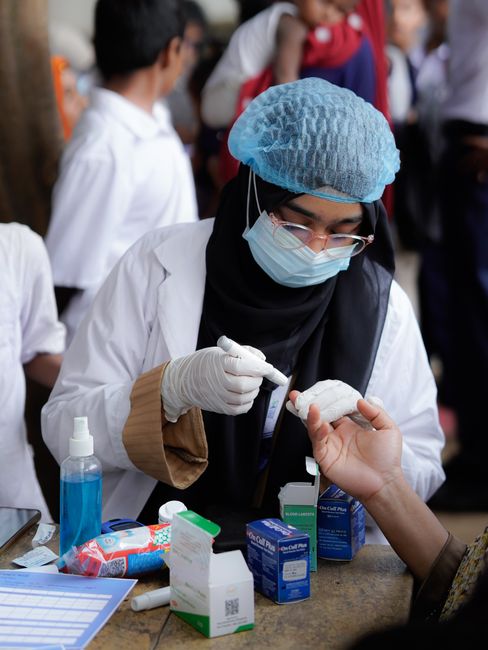
Dengue tests are all about timing. A test taken on the wrong day can come back negative even when you have dengue. Use this table as a rough guide and let your doctor decide.
| Stage | What usually happens | Useful test | What to do |
|---|---|---|---|
| Days 1 to 3 (fever phase) | High fever, headache, eye pain, body ache | NS1 antigen test (best in the first five days) plus a CBC | Rest, plenty of fluids, paracetamol only |
| Days 3 to 7 (critical window) | Fever may drop, platelets often fall, warning signs can appear | Dengue IgM antibody test from around day 5, repeat CBC if advised | Watch closely for warning signs and keep drinking fluids |
| After day 7 (recovery) | Appetite returns, platelets climb, rash may itch | Follow-up CBC if your doctor asks | Ease back slowly, tiredness can last weeks |
A simple rule: NS1 catches dengue early, and IgM takes over from about day 5. A negative NS1 on day 6 does not rule dengue out.
Platelet count in dengue: what the numbers mean
A normal platelet count is roughly 1.5 to 4.5 lakh per microlitre. In dengue it often drops, sometimes fast, and that one number causes more panic than anything else. Keep these facts in mind:
- A falling count is expected. In one Indian study of 587 confirmed cases, about 96% had low platelets within the first five days.
- It's usually temporary. Platelets tend to recover on their own as the illness passes.
- Transfusion isn't automatic. Under national guidelines for dengue care, a preventive platelet transfusion is considered only when the count falls below 10,000 with no bleeding. Between 10,000 and 20,000 without bleeding, it isn't routinely needed. With serious bleeding, doctors decide case by case.
- Warning signs matter more than the number. A patient at 60,000 who is vomiting and has stomach pain can be sicker than one at 30,000 who is eating and drinking well. Doctors also track haematocrit, which shows whether fluid is leaking from blood vessels.
If a hospital suggests a platelet transfusion, it's fair to calmly ask why. Ask if there's bleeding, or if the count is below the guideline threshold.
Dengue treatment at home
There's no specific antiviral medicine for dengue. Care is about managing symptoms and spotting complications early.
- Rest, and drink plenty of fluids: water, ORS, coconut water, soup, buttermilk, fresh juice.
- Take paracetamol for fever and pain, in the dose your doctor or the pack advises. Dolo and Crocin are paracetamol.
- Don't take ibuprofen, aspirin, diclofenac or similar painkillers. They raise the risk of bleeding.
- Don't take steroids or antibiotics unless a doctor prescribes them for a specific reason.
- Keep the patient under a mosquito net. A person with dengue can pass the virus to mosquitoes from two days before symptoms start until two days after the fever ends. That's how it spreads through a household.

Papaya leaf juice, kiwi and goat milk
Papaya leaf extract is the most famous home remedy. Some small trials, including Indian ones, found platelets rose a little faster with it. But a systematic review in BMC Complementary Medicine concluded the evidence is still too weak to recommend it, and there's no proof it prevents severe dengue. If you want to try it, tell your doctor, and never use it as a reason to skip tests or delay a hospital visit. Kiwi, pomegranate and goat milk are popular too, but none has strong evidence behind it. Good hydration and light, home-cooked food do more. Once you've recovered, our guide to nutritious everyday foods is a good place to start.
Is there a dengue vaccine in India?
Yes, but you can't get it at a clinic yet. In July 2026, India's drug regulator CDSCO approved Takeda's Qdenga, the country's first dengue vaccine, for people aged 4 to 60. It's given as two doses three months apart, covers all four virus types and doesn't need a test for past infection. Reports say Dr Reddy's will sell it in the private market, with availability expected in 2027. The price hasn't been announced.
India's own single-dose candidate, DengiAll from Panacea Biotec and ICMR, is in the final stage of clinical trials. Neither vaccine replaces mosquito control. Qdenga reduces how sick you get rather than stopping every infection.
How to prevent dengue at home: weekly checklist
The Aedes mosquito that spreads dengue bites mainly during the day and breeds in clean, still water close to where people live. A mosquito pupa becomes a flying adult in two to three days, so emptying containers once a week breaks the cycle before it completes.
- Empty, scrub and dry the desert cooler tray, or dry it out and switch it off for the season.
- Change water in flower vases, pet bowls and bird baths.
- Clean the tray under the fridge and under plant pots.
- Cover overhead tanks, buckets and drums tightly.
- Throw out old tyres, coconut shells, cups and broken pots holding rainwater.
- Check rooftops, balconies and AC drip points for standing water.
- Use a repellent with DEET, picaridin or IR3535 during the day, especially for children.
- Wear full sleeves, fit window screens and use a net if anyone naps in the daytime.
Technology is starting to help with outbreak tracking too. Read our piece on how AI is changing health care in 2026.
Frequently asked questions
What does dengue do to your body?
The virus causes high fever and body pain, and in some people it lowers platelets and makes small blood vessels leak fluid. That leakage, not the fever itself, is what makes severe dengue dangerous. It usually shows up between day 3 and day 7.
What is the dengue test called?
The NS1 antigen test detects dengue in the first five days of fever. The IgM antibody test works from around day 5. A complete blood count (CBC) tracks platelets and haematocrit throughout the illness.
What should a dengue patient eat?
Light, easy-to-digest home food like khichdi, dal, soup, curd rice and fruit, plus lots of fluids such as ORS, coconut water and buttermilk. Avoid oily, spicy and very heavy meals. If the patient can't keep fluids down, that's a reason to see a doctor.
Can you get dengue twice?
Yes. There are four types of dengue virus, so you can be infected more than once. A second infection with a different type carries a higher risk of severe dengue.
Is the dengue vaccine available in India?
Qdenga was approved in July 2026 for ages 4 to 60, but it's expected to reach the private market only in 2027. Ask your doctor for updates on availability and price.








Comments 0
No comments yet. Start the conversation.