


On this page 9 sections
AI in Healthcare: A New Era
Imagine walking into a hospital and being diagnosed with a disease before you even show symptoms. Sounds like science fiction, right? But with the advent of AI in healthcare, this is now a reality. Machine learning algorithms can analyze vast amounts of medical data to predict patient outcomes and identify high-risk patients. For instance, a study by the Indian Institute of Technology (IIT) found that AI-powered systems can detect diabetic retinopathy with an accuracy of 95%.
What's Happening in Healthcare
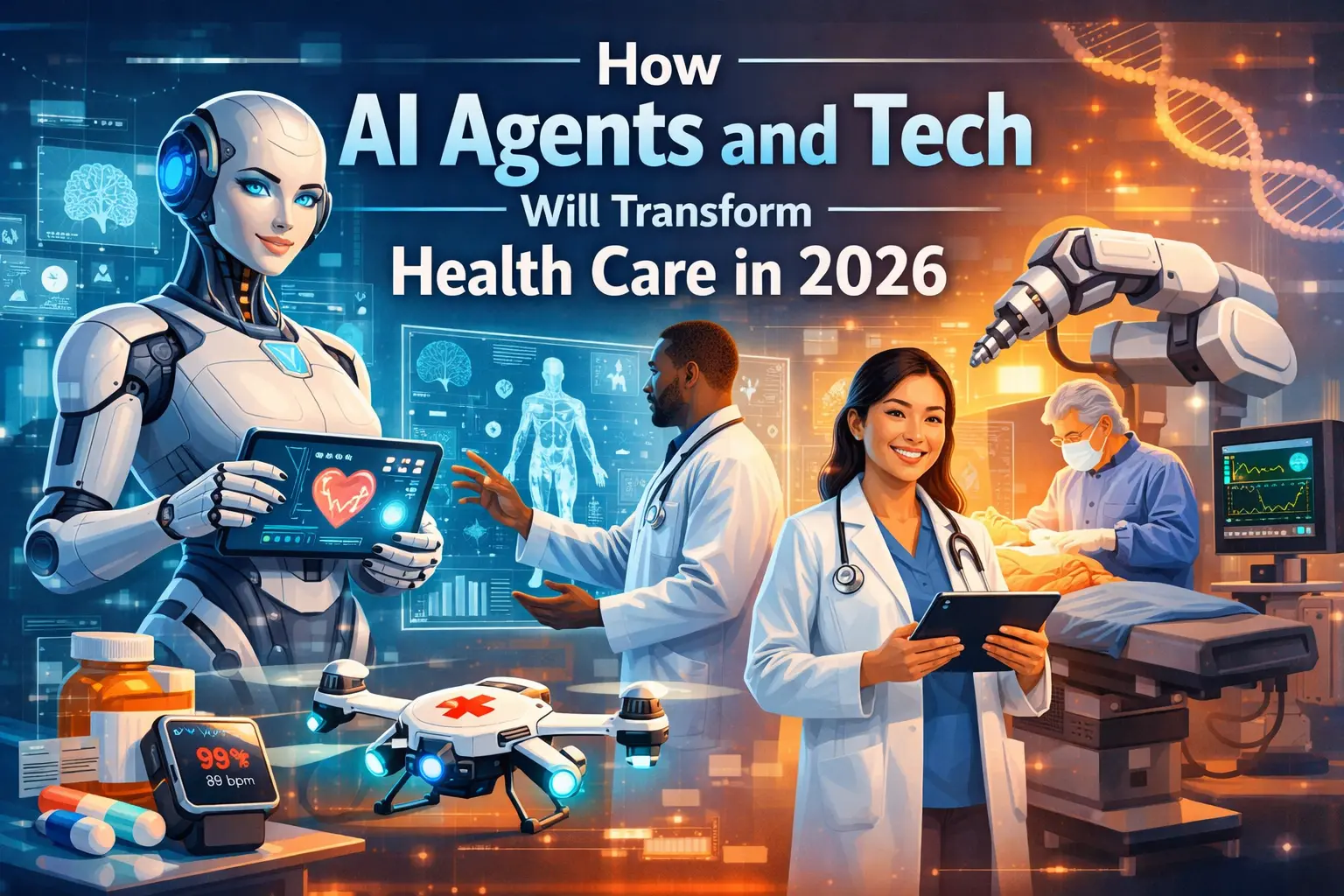
The integration of AI in healthcare is not just about diagnosis; it's also about streamlining clinical workflows and improving patient care. Software development companies like Infosys and Wipro are working with healthcare providers to develop AI-powered solutions that can help reduce costs and enhance patient satisfaction. According to a report by Nasscom, the Indian healthcare IT market is expected to reach $4.5 billion by 2025, with AI being a key driver of growth.
Cloud Computing and Cybersecurity
As healthcare providers move to the cloud, cybersecurity becomes a major concern. With the increase in cloud-based services, there is a growing need for robust security measures to protect patient data. Companies like Microsoft and IBM are offering cloud-based solutions with built-in security features to address this concern. In fact, a survey by PwC found that 71% of healthcare organizations in India consider cybersecurity a top priority.
Why AI Matters More Than You Think
AI is not just a buzzword; it has the potential to transform the healthcare landscape in India. With the help of AI tools, healthcare providers can analyze large amounts of data to identify patterns and trends that can inform treatment decisions. For example, a study by the Apollo Hospitals found that AI-powered systems can reduce hospital readmissions by 25%.
The India Angle
India is home to a large and growing population, and the need for quality healthcare is increasing. Digital transformation in healthcare can help address this need by providing access to healthcare services remotely. Companies like Practo and 1mg are already offering telemedicine services, which can be particularly useful in rural areas where access to healthcare is limited. According to a report by Deloitte, the Indian telemedicine market is expected to reach $5.5 billion by 2025.
Blockchain in Healthcare
Blockchain technology can also play a crucial role in healthcare by providing a secure and transparent way to store and manage patient data. Companies like HealthVerity and Medibloc are already using blockchain to develop secure and decentralized healthcare systems. In fact, a survey by Oracle found that 75% of healthcare organizations in India believe that blockchain can improve the security and integrity of patient data.
Who Wins, Who Loses
As AI adoption increases in healthcare, some winners and losers will emerge. Pharmaceutical companies like Sun Pharma and Cipla may benefit from AI-powered drug discovery and development. On the other hand, smaller healthcare providers may struggle to keep up with the costs of implementing AI-powered solutions. According to a report by ICRA, the Indian pharmaceutical market is expected to reach $55 billion by 2025, with AI being a key driver of growth.
The Case Against AI in Healthcare
While AI has the potential to transform healthcare, there are also concerns about its adoption. Some critics argue that AI systems can be biased and discriminatory, particularly if they are trained on biased data. Others argue that AI can displace human jobs in healthcare. For instance, a report by the McKinsey Global Institute found that up to 30% of healthcare jobs in India could be automated by 2030.
What Happens Next
As AI continues to evolve, we can expect to see more innovative applications in healthcare. With the help of data science, healthcare providers can develop more personalized and effective treatment plans. According to a report by Gartner, the global AI in healthcare market is expected to reach $34.5 billion by 2025. I predict that India will be a key player in this market, with companies like Tata Consultancy Services and Infosys leading the charge.
5 FAQs
- Q: What is the current state of AI adoption in Indian healthcare?
A: According to a report by PwC, 60% of Indian healthcare organizations are already using AI-powered solutions. - Q: How can AI improve patient outcomes?
A: AI can help analyze large amounts of medical data to identify patterns and trends that can inform treatment decisions. - Q: What are the key challenges in implementing AI in healthcare?
A: Key challenges include data quality, cybersecurity, and the need for skilled personnel to develop and implement AI-powered solutions. - Q: Can AI replace human doctors?
A: No, AI is not intended to replace human doctors but rather to augment their capabilities and improve patient care. - Q: What is the role of blockchain in healthcare?
A: Blockchain can provide a secure and transparent way to store and manage patient data.
Final Take
AI is transforming the healthcare landscape in India, and it's not just about technology; it's about improving patient outcomes and saving lives. As we move forward, it's essential to address the concerns around AI adoption and ensure that its benefits are equitably distributed. With the right policies and investments, India can become a leader in AI-powered healthcare and improve the lives of millions of people. Tech trends like AI, blockchain, and cloud computing will continue to shape the future of healthcare, and it's exciting to think about what's possible.






Comments 0
No comments yet. Start the conversation.