

The Big Picture
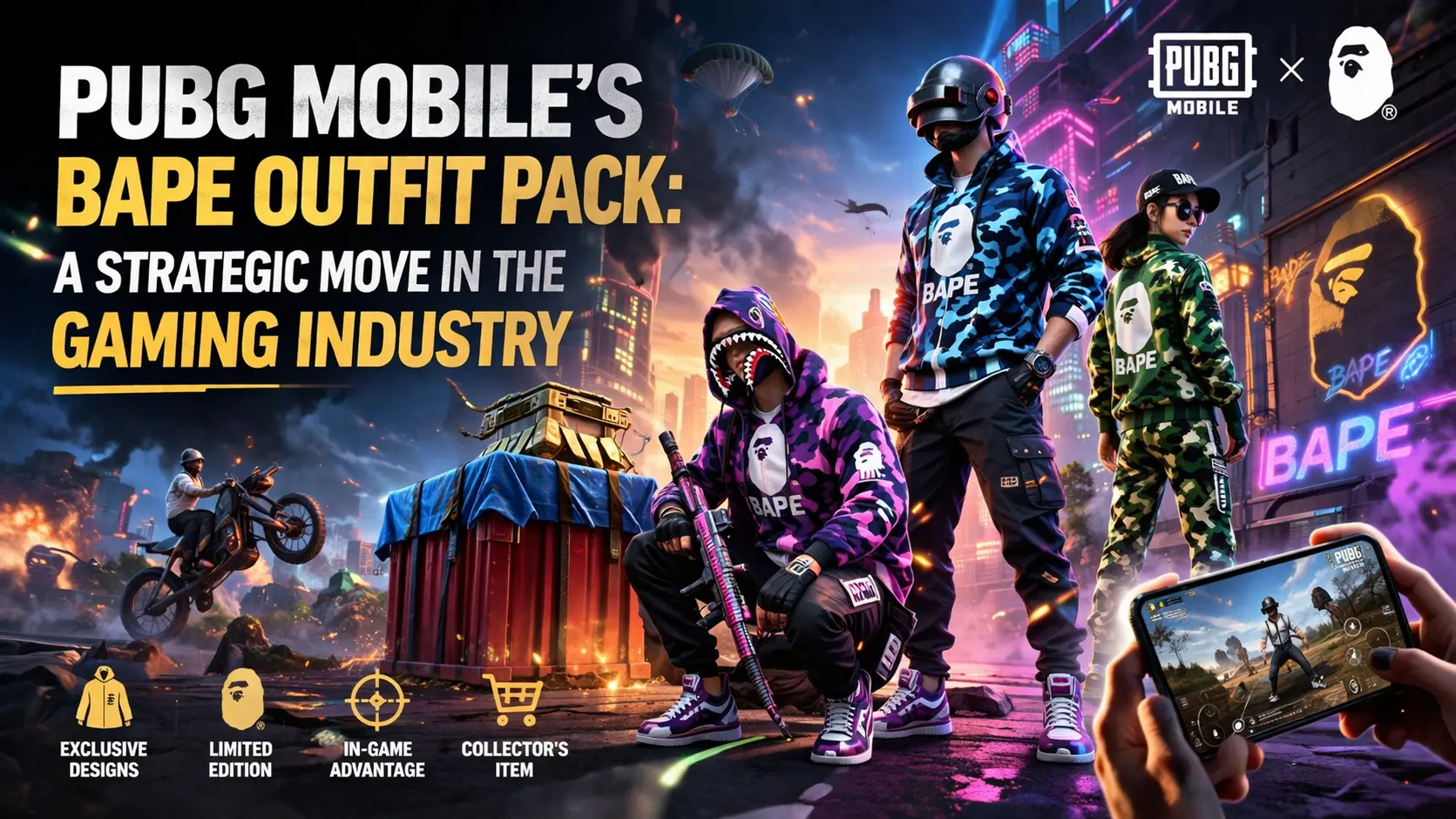
PUBG Mobile has been a game-changer in the Indian gaming scene, with over 50 million monthly active users in the country alone. To put this into perspective, the game's popularity in India is so immense that it has become a cultural phenomenon, with many Indian gamers spending hours on end playing the game. In fact, a survey by the Indian Gaming League found that 70% of Indian gamers play PUBG Mobile for at least 2 hours a day. The game's success can be attributed to its engaging gameplay, regular updates, and strategic partnerships, such as the recent collaboration with the popular fashion brand, BAPE, to create an exclusive in-game outfit pack. This partnership is a prime example of how gaming, fashion, and technology are intersecting in innovative ways, with brands like BAPE recognizing the vast reach and influence of gaming platforms like PUBG Mobile.
A closer look at the numbers reveals that PUBG Mobile's user base in India is not only massive but also highly engaged. According to a report by App Annie, Indian gamers spent over 1.5 billion hours playing PUBG Mobile in 2020, making it one of the most played games in the country. This level of engagement has significant implications for the gaming industry, as it demonstrates the immense potential for revenue growth through in-game purchases and advertising. In fact, a report by KPMG estimates that the Indian gaming industry will reach $1.1 billion by 2025, growing at a CAGR of 20%, with PUBG Mobile being one of the key drivers of this growth.
What's Behind the Move
So, why is PUBG Mobile releasing a BAPE outfit pack? The answer lies in the game's revenue model, which is designed to create new revenue streams through in-game purchases. With the game's massive user base, Tencent, the game's developer, can leverage its platform to create exclusive content that appeals to its users. The BAPE outfit pack is a prime example of this strategy, with the pack's high price point and limited availability making it a lucrative revenue stream for the game. In 2020, PUBG Mobile generated over $5 billion in revenue, with in-game purchases accounting for a significant portion of this amount. To break it down further, the game's revenue model is based on a freemium model, where the game is free to download and play, but users can purchase in-game items and currency to enhance their gaming experience.
A detailed analysis of the revenue model reveals that in-game purchases are a significant contributor to the game's revenue. According to a report by Deloitte, PUBG Mobile's revenue from in-game purchases is expected to reach $10 billion by 2025. This growth is driven by the increasing popularity of the game, as well as the expanding range of in-game items and currency available for purchase. The BAPE outfit pack is just one example of the many exclusive items available for purchase, with other items, such as skins, outfits, and accessories, also contributing to the game's revenue.
The India Angle
In India, the gaming industry is expected to reach $1.1 billion by 2025, growing at a CAGR of 20%. PUBG Mobile is well-positioned to capitalize on this growth, with its massive user base and engaging gameplay. However, the game's success also raises concerns about addiction, cybersecurity, and data protection. The Indian government has been cracking down on online gaming platforms, with several states imposing bans on certain games. For instance, the state of Maharashtra recently banned the game "Free Fire" due to concerns about its impact on children. Similarly, the Indian government has also introduced regulations to curb online gaming addiction, including restrictions on the amount of time spent playing games and the amount of money spent on in-game purchases.
To address these concerns, PUBG Mobile has introduced several measures, including a "Healthy Gaming" system, which limits the amount of time spent playing the game and provides warnings to users about the risks of addiction. The game has also implemented robust security measures to protect user data, including encryption and secure servers. However, more needs to be done to address the concerns of Indian gamers and regulators. For example, the game could introduce more stringent age verification measures to prevent minors from accessing the game, as well as provide more detailed information about in-game purchases and their impact on users.
Who Wins, Who Loses
The BAPE outfit pack is a win for PUBG Mobile and Tencent, as it creates a new revenue stream and enhances the game's appeal. The pack's high price point and limited availability make it a lucrative revenue stream for the game, with users willing to pay a premium for exclusive content. However, it's not all good news - the pack's high price point may deter some users, and the game's focus on in-game purchases may lead to concerns about addiction and exploitation.
PUBG Mobile's revenue from in-game purchases is expected to reach $10 billion by 2025, according to a report by Deloitte.
A closer look at the numbers reveals that the BAPE outfit pack is not just a revenue stream for PUBG Mobile, but also a marketing tool. The pack's exclusive content and limited availability create a sense of urgency among users, encouraging them to make a purchase before the pack is no longer available. This strategy is known as the "scarcity principle," where the limited availability of a product or service creates a sense of value and urgency among consumers. In the case of the BAPE outfit pack, the scarcity principle is amplified by the pack's high price point and exclusive content, making it a highly desirable item among PUBG Mobile users.
The Case Against
Some critics argue that the BAPE outfit pack is a clear example of the gaming industry's focus on monetization over gameplay. With the pack's high price point and limited availability, some users may feel pressured into making a purchase. But is this really a problem? After all, users have the option to choose whether or not to make a purchase. However, the issue of addiction and exploitation is a more complex one, with some users spending thousands of dollars on in-game purchases. In fact, a report by the National Institute of Mental Health and Neuro Sciences found that 1 in 5 Indian gamers exhibit symptoms of addiction, including spending excessive amounts of time and money on games.
A deeper analysis of the issue reveals that the problem of addiction and exploitation is not limited to PUBG Mobile, but is a broader industry-wide issue. Many games, including popular titles like Fortnite and Apex Legends, offer in-game purchases and loot boxes that can be exploitative and addictive. To address this issue, regulators and game developers must work together to create stricter guidelines and regulations around in-game purchases and loot boxes. For example, game developers could introduce more transparent and user-friendly systems for in-game purchases, including clear pricing and terms of service. Regulators could also introduce stricter guidelines around age verification and advertising, to prevent minors from accessing games and being targeted by exploitative advertising practices.
What Happens Next
So, what's next for PUBG Mobile and the gaming industry? As the industry continues to grow, we can expect to see more strategic partnerships and in-game purchases. In fact, a report by Newzoo predicts that the global gaming market will reach $190 billion by 2025, with in-game purchases accounting for a significant portion of this amount. I predict that PUBG Mobile will continue to be a major player in the Indian gaming scene, with its massive user base and engaging gameplay. However, the game's success will also depend on its ability to address concerns about addiction, cybersecurity, and data protection.
A closer look at the trends reveals that the gaming industry is undergoing a significant shift, with the rise of cloud gaming and cross-platform play. Cloud gaming, which allows users to play games on any device with an internet connection, is expected to revolutionize the industry, making games more accessible and convenient to play. Cross-platform play, which allows users to play games with users on other platforms, is also expected to become more prevalent, creating a more unified and connected gaming community. PUBG Mobile is well-positioned to capitalize on these trends, with its massive user base and engaging gameplay. However, the game must also adapt to changing user behaviors and preferences, including the rise of esports and competitive gaming.
5 FAQs
- What is the BAPE outfit pack, and how can I purchase it? The BAPE outfit pack is an exclusive in-game outfit pack available for purchase in PUBG Mobile. Users can purchase the pack using in-game currency or real money.
- How much does the BAPE outfit pack cost, and is it worth the price? The BAPE outfit pack costs around $20, which is a premium price for an in-game item. Whether or not it's worth the price depends on the user's personal preferences and budget.
- What are the concerns about addiction and exploitation in PUBG Mobile? The concerns about addiction and exploitation in PUBG Mobile center around the game's in-game purchases and loot boxes, which can be exploitative and addictive. Some users may spend excessive amounts of time and money on the game, leading to negative consequences such as financial problems and social isolation.
- How does PUBG Mobile's revenue model work, and what are the implications for users? PUBG Mobile's revenue model is based on a freemium model, where the game is free to download and play, but users can purchase in-game items and currency to enhance their gaming experience. The implications for users are that they may be encouraged to spend money on in-game purchases, which can be exploitative and addictive.
- What's next for the gaming industry, and how will PUBG Mobile fit into this landscape? The gaming industry is expected to continue growing, with the rise of cloud gaming and cross-platform play. PUBG Mobile is well-positioned to capitalize on these trends, with its massive user base and engaging gameplay. However, the game must also adapt to changing user behaviors and preferences, including the rise of esports and competitive gaming.
Final Take
PUBG Mobile's BAPE outfit pack is more than just a fashion statement - it's a strategic move to stay ahead in the gaming industry. As the industry continues to grow, we can expect to see more strategic partnerships and in-game purchases. But what does this mean for Indian gamers and the broader tech industry? Only time will tell, but one thing is certain - the gaming industry is here to stay, and PUBG Mobile is well-positioned to capitalize on this growth. With its massive user base and engaging gameplay, PUBG Mobile is a major player in the Indian gaming scene, and its success will depend on its ability to address concerns about addiction, cybersecurity, and data protection.
A final thought on the future of the gaming industry reveals that the intersection of gaming, fashion, and technology is a trend that's here to stay. As the industry continues to evolve, we can expect to see more innovative partnerships and collaborations between game developers, fashion brands, and technology companies. The BAPE outfit pack is just one example of this trend, and we can expect to see more exclusive content and limited-edition items in the future. Whether or not this trend is good for the gaming industry and its users remains to be seen, but one thing is certain - the future of gaming is exciting, and full of possibilities.
Read Also
- 150+ Computer Full Forms List (A–Z) with Meaning | Complete Guide
- How AI Agents and Tech Will Transform Health Care in 2026
- How to Make Money Online in 2026
- Top 10 Blogging Platforms in 2026: Best Blog Websites for Beginners & Professionals
- Transforming Healthcare Delivery Through Artificial Intelligence
- Ditch the Bloat: A Safe Guide to Removing Preinstalled iPhone Apps




Comments