

A New Era for Food Safety in India
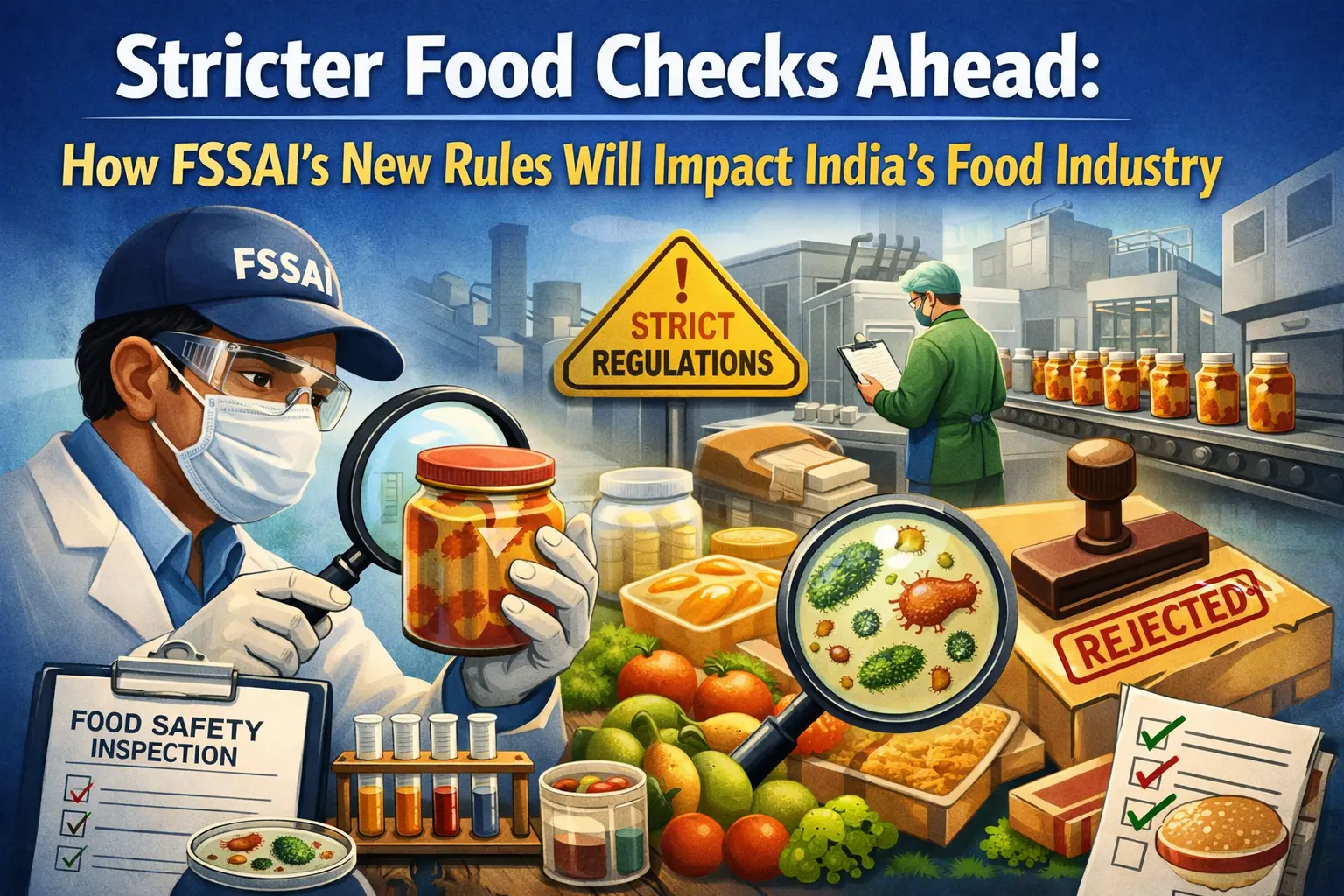
The Food Safety and Standards Authority of India (FSSAI) has just announced that from 2026, all new food products will face stricter checks. This move is part of a broader effort to improve food safety and reduce the risk of contamination. But what does this mean for Indian consumers and businesses? Will it lead to safer food or just more bureaucracy?
What's Changing and Why
The new rules require companies to back every claim they make about their products with scientific evidence. This includes claims about nutritional content, health benefits, and environmental sustainability. According to FSSAI, this will help to reduce misinformation and protect consumers. For example, a company that claims its product is 'high in fiber' will need to provide data to support this claim.
Examples of Misleading Claims
In the past, some companies have made misleading claims about their products. For instance, a popular Indian brand was found to have made false claims about the health benefits of its product. This kind of deception can have serious consequences for consumers, who may be misled into buying products that are not what they seem.
Why This Matters More Than People Think
The new rules are not just about food safety; they're also about promoting transparency and accountability in the food industry. By requiring companies to back up their claims with evidence, FSSAI is helping to create a more level playing field for businesses. This can lead to increased trust and confidence among consumers, which is good for everyone.
Benefits for Consumers
So, what are the benefits for Indian consumers? For one, they'll have access to more accurate information about the food they eat. This can help them make informed choices about their diet and health. Additionally, the new rules can help to reduce the risk of foodborne illnesses, which are a major public health concern in India.
The India Angle: Real-World Impact
The new rules will have a significant impact on Indian businesses, particularly small and medium-sized enterprises (SMEs). According to a recent survey, 70% of Indian food manufacturers are SMEs, and many of these companies may struggle to comply with the new regulations. This could lead to increased costs and bureaucratic hurdles for these businesses.
Comparing India's Approach to Other Countries
Unlike China's approach, which focuses on state-led regulation and enforcement, India's approach is more focused on promoting self-regulation and industry compliance. This approach has its advantages, but it also requires a high level of cooperation and commitment from businesses.
Who Wins, Who Loses
So, who are the winners and losers in this new landscape? Companies that are already committed to transparency and accountability, such as Patanjali and Tata Consumer Products, may find it easier to comply with the new rules. On the other hand, smaller companies that are not as well-resourced may struggle to adapt. This could lead to consolidation in the industry, with larger companies acquiring or partnering with smaller ones.
Follow the Incentives
It's also worth considering the incentives at play. Companies that comply with the new rules may be able to charge a premium for their products, as consumers become more willing to pay for high-quality, safe food. This could create a new revenue stream for companies that are able to adapt to the changing regulatory landscape.
The Case Against: Steelman the Critics
Not everyone is convinced that the new rules are a good idea. Some critics argue that the regulations are too burdensome and bureaucratic, and that they will stifle innovation and entrepreneurship in the food industry. Others argue that the rules are not strict enough, and that they do not do enough to address the root causes of food safety problems in India.
Addressing the Critics
While these criticisms are valid, it's worth noting that the new rules are not a one-size-fits-all solution. FSSAI has said that it will provide support and guidance to companies that are struggling to comply, and that it will review and revise the regulations as needed. This suggests that the regulator is committed to finding a balance between promoting food safety and supporting businesses.
What Happens Next: Our Prediction
So, what happens next? We predict that the new rules will lead to a significant reduction in food safety incidents in India, as companies become more transparent and accountable about their products. We also predict that the rules will lead to increased consolidation in the industry, as larger companies acquire or partner with smaller ones. According to a recent report, the Indian food industry is expected to grow by 10% per year over the next five years, driven in part by increasing demand for safe and healthy food.
Our Reasoning
Our prediction is based on the assumption that companies will adapt to the new regulations and that consumers will become more discerning about the food they eat. We also assume that FSSAI will continue to provide support and guidance to companies, and that it will enforce the regulations effectively. If these assumptions are correct, then we can expect to see significant improvements in food safety and quality in India over the next few years.
5 FAQs
- Q: What are the new rules for food products in India? A: The new rules require companies to back every claim they make about their products with scientific evidence.
- Q: Who will be affected by the new rules? A: All food manufacturers, including small and medium-sized enterprises (SMEs), will be affected by the new rules.
- Q: How will the new rules impact consumers? A: The new rules will provide consumers with more accurate information about the food they eat, and will help to reduce the risk of foodborne illnesses.
- Q: What are the benefits for businesses? A: Companies that comply with the new rules may be able to charge a premium for their products, as consumers become more willing to pay for high-quality, safe food.
- Q: What happens if companies do not comply with the new rules? A: Companies that do not comply with the new rules may face penalties and fines, and may be required to recall their products from the market.
Final Take
The new rules for food products in India are a game-changer for the industry. While there may be challenges ahead, we believe that the benefits of the new rules far outweigh the costs. Indian consumers deserve safe and healthy food, and it's up to companies and regulators to deliver. As the Indian food industry continues to grow and evolve, we can expect to see significant improvements in food safety and quality over the next few years.
According to a recent report, the Indian food industry is expected to grow by 10% per year over the next five years, driven in part by increasing demand for safe and healthy food. This growth will be driven by companies that are able to adapt to the new regulations and provide high-quality, safe products to consumers.
Read Also
- Top 10 Viral Street Foods in India (2026) That Every Food Lover Is Obsessed With
- Yankee Stadium's Wild New Food Lineup: A Home Run for Fans?
- Bank Independent Launches Food And Family Share Drive Today
- Healthy Food Revolution: Tackling India's Obesity Epidemic
- Food Waste Collections in Bournemouth and Poole: A New Era for Sustainability




Comments