

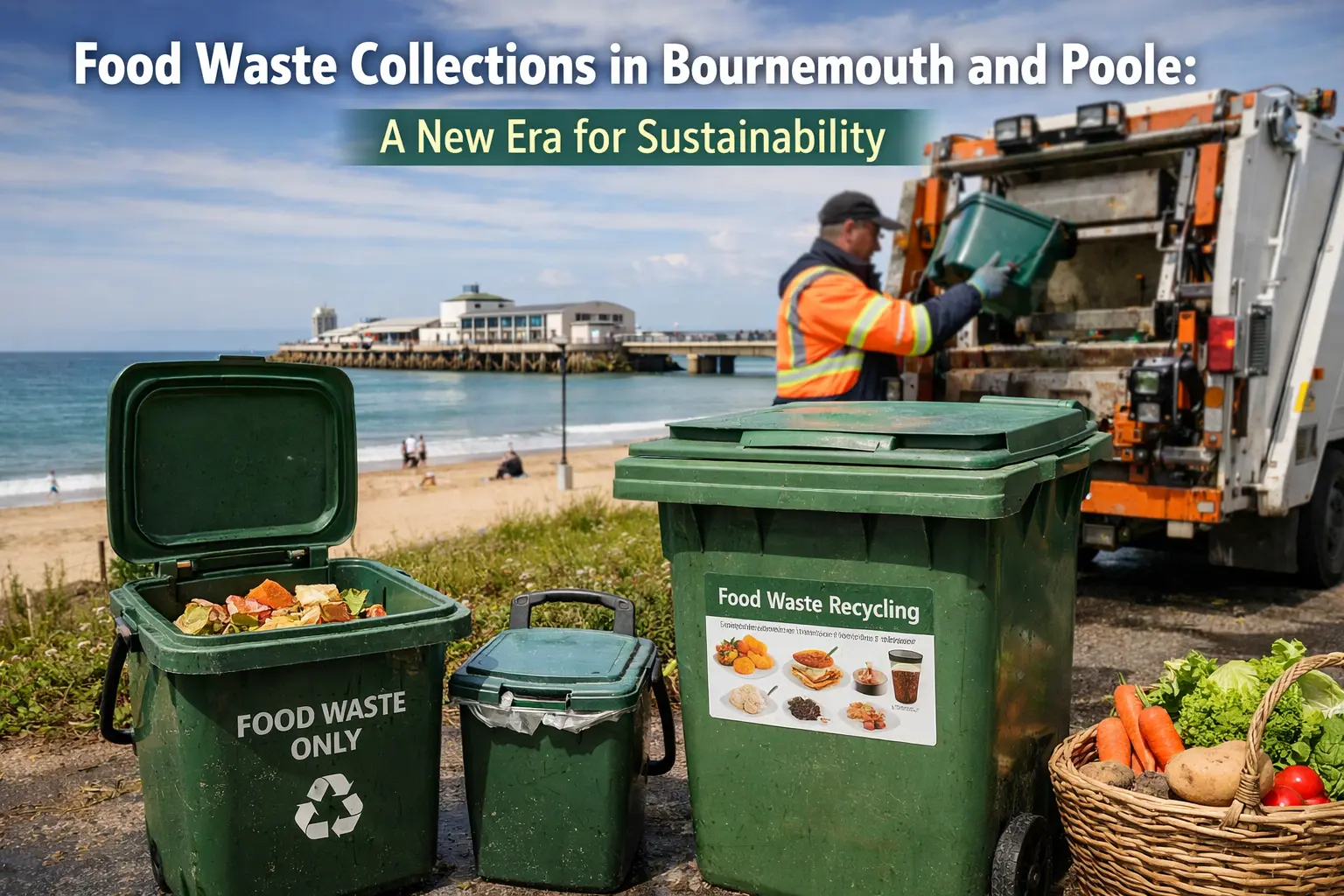
The Unseen Crisis: Food Waste in the UK
Imagine a truckload of food being dumped into a landfill every minute. This is the harsh reality of food waste in the UK, with an estimated 9.5 million tonnes of food waste generated each year. The latest news of food waste collections rolling out in Bournemouth and Poole is a welcome move, but it's just the tip of the iceberg.
What's Happening in Bournemouth and Poole?
The new initiative aims to collect food waste from households and process it into energy and fertilizer. This move is expected to reduce greenhouse gas emissions and save taxpayers money. But what sparked this change? The answer lies in the growing awareness of food waste and its environmental impact.
The Alarming Stats
A staggering 70% of food waste in the UK comes from households. This translates to around £700 worth of food per household per year. The new collection system in Bournemouth and Poole aims to tackle this issue head-on.
Why It Matters More Than People Think
Food waste is not just an environmental issue; it's also a social and economic one. The production, transportation, and storage of food that ultimately ends up in landfills are a massive waste of resources. In fact, one-third of all food produced globally is lost or wasted. This has significant implications for food security, especially in developing countries.
The Global Context
Unlike China's approach to food waste, which focuses on recycling and composting, the UK's approach has been more fragmented. However, with the new initiative in Bournemouth and Poole, the UK is taking a step in the right direction. Similar to Jio's 2016 disruption of the Indian telecom market, this move has the potential to revolutionize the way we think about food waste.
The India Angle: A Potential Game-Changer
In India, food waste is a significant issue, with an estimated 40% of food production being lost or wasted. The Indian government has launched initiatives like the Food Safety and Standards Authority of India to tackle this issue. However, more needs to be done. The new initiative in Bournemouth and Poole could serve as a model for Indian cities to follow.
Real-World Impact
In India, the average person generates around 0.5 kg of food waste per day. This translates to a massive 150 million tonnes of food waste per year. By adopting a similar food waste collection system, Indian cities could reduce their environmental footprint and create new economic opportunities.
Who Wins, Who Loses
The new initiative in Bournemouth and Poole is a win-win for the environment and taxpayers. However, it may not be good news for all stakeholders. Waste management companies may lose out on business, while food producers may need to adapt to new regulations.
Following the Incentives
So, who will benefit from this new initiative? The answer lies in the incentives. Local authorities will save money on waste disposal, while households will reduce their environmental impact. As the saying goes, 'follow the money' – in this case, the money is in sustainability.
The Case Against: A Critique of the Initiative
Not everyone is convinced that the new initiative is the right approach. Some argue that it's too little, too late, while others claim that it's too expensive.
A recent study found that the cost of implementing a food waste collection system can be as high as £100 per household per year.However, proponents of the initiative argue that the long-term benefits far outweigh the costs.
A Rebuttal to the Critics
While the critics have valid points, they overlook the bigger picture. The new initiative is not just about reducing food waste; it's about creating a more sustainable future. By investing in food waste collections, we're investing in our planet's future.
What Happens Next: A Prediction
As the new initiative in Bournemouth and Poole gains momentum, we can expect to see a ripple effect across the UK. Other cities will follow suit, and the government will be forced to take notice. In fact, the UK government has already set a target to reduce food waste by 50% by 2030. It's likely that we'll see a significant increase in food waste collections and recycling facilities across the country.
A Data-Driven Prediction
According to a recent report, the global food waste management market is expected to grow by 5% annually from 2020 to 2025. This growth will be driven by increasing awareness of food waste and its environmental impact. As the UK takes the lead in food waste collections, we can expect to see a significant reduction in greenhouse gas emissions and a more sustainable food system.
5 FAQs
- Q: What is food waste, and why is it a problem? A: Food waste refers to any food that is discarded or lost during production, processing, distribution, or consumption. It's a problem because it wastes resources, contributes to greenhouse gas emissions, and harms the environment.
- Q: How can I reduce food waste in my daily life? A: You can reduce food waste by planning your meals, using up leftovers, and composting food scraps.
- Q: What are the benefits of food waste collections? A: The benefits include reducing greenhouse gas emissions, saving taxpayers money, and creating new economic opportunities.
- Q: How will the new initiative in Bournemouth and Poole work? A: The initiative will involve collecting food waste from households and processing it into energy and fertilizer.
- Q: Can this initiative be replicated in other cities? A: Yes, the initiative can be replicated in other cities, and it's likely that we'll see a similar approach being adopted across the UK.
Final Take: A Call to Action
The new initiative in Bournemouth and Poole is a step in the right direction, but it's just the beginning. We need to think bigger and act faster to tackle the food waste crisis. As individuals, we can make a difference by reducing our own food waste and supporting initiatives that promote sustainability. The time to act is now – will you join the movement?
So, what's next? The future of food waste collections looks bright, but it's up to us to ensure that it's a success. With the right approach and a bit of determination, we can create a more sustainable food system that benefits everyone. The question is, are you ready to take the first step?
Read Also
- Top 10 Viral Street Foods in India (2026) That Every Food Lover Is Obsessed With
- Yankee Stadium's Wild New Food Lineup: A Home Run for Fans?
- Bank Independent Launches Food And Family Share Drive Today
- Healthy Food Revolution: Tackling India's Obesity Epidemic
- Stricter Food Checks Ahead: How FSSAI's New Rules Will Impact India's Food Industry





Comments