

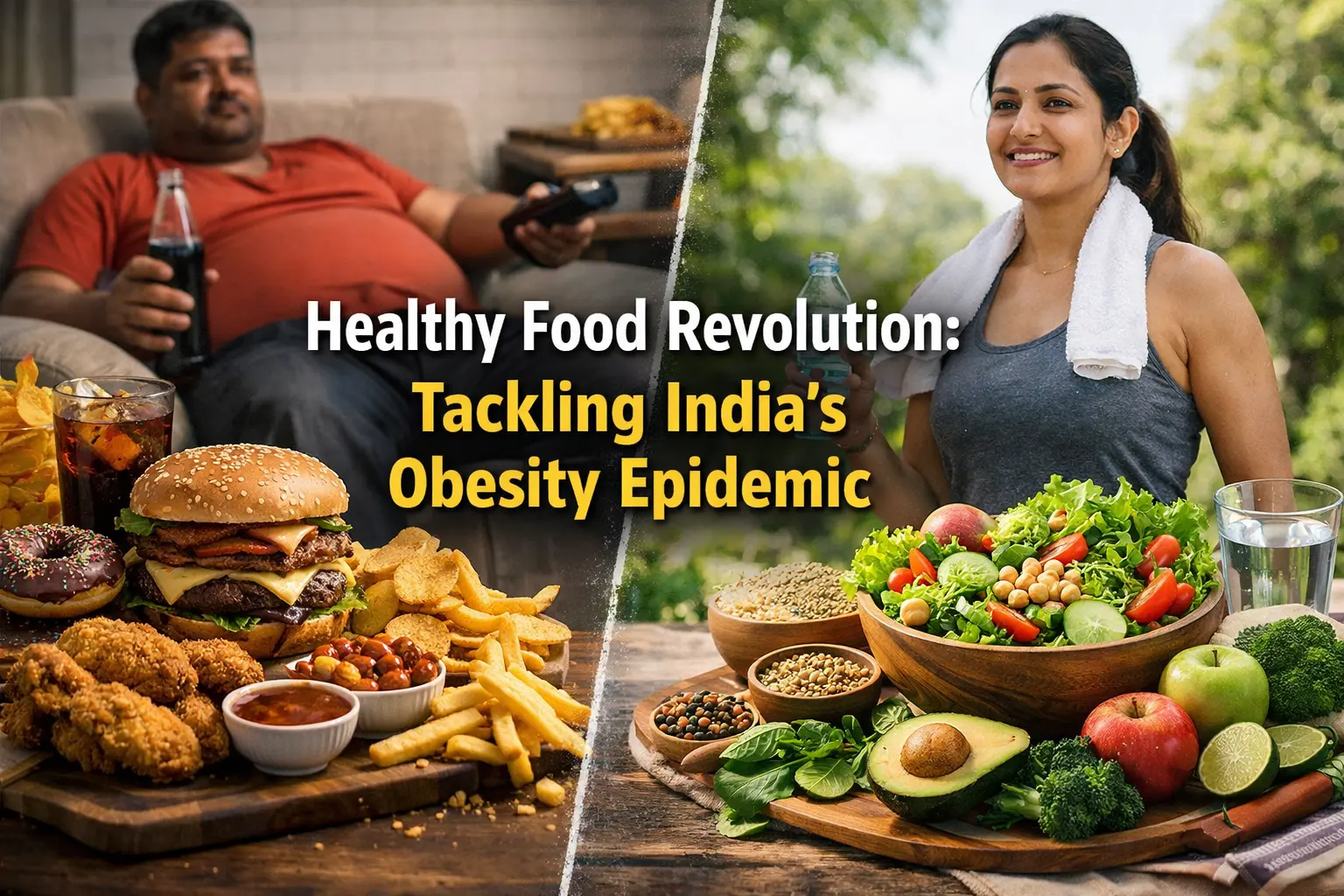
Introduction to the Healthy Food Revolution
Imagine walking into a bustling street food market in Mumbai, only to find vendors selling quinoa salads and kale smoothies instead of the usual vada pav and pani puri. This is not a fantasy, but a reality that's slowly unfolding in India. The healthy food revolution is gaining momentum, with consumers becoming more conscious about what they eat. But what triggered this shift? For instance, the success of food delivery startups like Zomato and Swiggy has led to an increase in demand for healthy food options, with many restaurants now offering nutritious meals. According to a report by RedSeer Consulting, the online food delivery market in India is expected to grow to $15 billion by 2023, with healthy food options being a key driver of this growth.
What's Behind the Healthy Food Craze?
The latest news on the food front is that Indians are finally waking up to the importance of healthy eating. Unlike China's approach, which focuses on traditional medicine and herbs, India's healthy food revolution is being driven by a growing awareness of the link between diet and disease. For example, a study by the Indian Council of Medical Research (ICMR) found that a diet high in fruits and vegetables can reduce the risk of chronic diseases like diabetes and heart disease by up to 30%. According to a report by Euromonitor International, the Indian health and wellness market is expected to grow by 10% annually between 2020 and 2025, outpacing the global average. This growth is driven by increasing consumer awareness, government initiatives, and the availability of healthy food options. For instance, the Indian government's National Nutrition Mission aims to reduce malnutrition and promote healthy eating habits among children and adolescents.
Demand for Nutritious Food on the Rise
Similar to Jio's 2016 disruption of the telecom industry, which made data affordable for the masses, the healthy food revolution is making nutritious food more accessible to Indians. Companies like Tata Chemicals and Britannia are launching new products that cater to the growing demand for healthy food. For instance, Tata Chemicals' i-Shakti brand offers a range of fortified foods, including salt, wheat flour, and rice. Additionally, companies like Nestle and PepsiCo are introducing healthier variants of their popular products, such as sugar-free drinks and baked snacks. According to a report by Nielsen, the demand for healthy food options is highest among urban, educated, and affluent consumers, with 75% of them willing to pay a premium for healthy products.
Why the Healthy Food Revolution Matters
The healthy food revolution is not just a passing trend; it has the potential to tackle India's growing obesity epidemic. According to the National Family Health Survey (NFHS), the prevalence of obesity among Indians has increased from 9.3% in 1998 to 18.8% in 2016. This is alarming, given that obesity is a major risk factor for chronic diseases like diabetes, heart disease, and certain types of cancer. For example, a study by the Indian Journal of Community Health found that obesity increases the risk of diabetes by up to 50% and heart disease by up to 30%. The economic burden of obesity is also significant, with a study by the Indian Council of Medical Research (ICMR) estimating that the cost of obesity in India is around ₹2.5 lakh crore annually, which is roughly 1% of the country's GDP.
Cost of Obesity
A study by the Indian Council of Medical Research (ICMR) estimates that the cost of obesity in India is around ₹2.5 lakh crore annually, which is roughly 1% of the country's GDP. This is a staggering figure, especially when you consider that a significant portion of this cost can be avoided by adopting healthy lifestyle habits, including a balanced diet. For instance, a study by the World Health Organization (WHO) found that a 10% reduction in obesity can lead to a 5% reduction in healthcare costs. Furthermore, the economic benefits of a healthy population extend beyond healthcare costs, with a study by the Harvard School of Public Health finding that a healthy workforce can increase productivity by up to 20%.
The India Angle: Real-World Impact
The healthy food revolution is having a real-world impact on Indian users, businesses, and policy. For instance, the government's Fit India Movement aims to promote healthy lifestyles, including healthy eating habits. The movement has gained significant traction, with many celebrities and influencers endorsing it. Additionally, the Indian government has introduced policies like the Food Safety and Standards Act, which regulates the food industry and ensures that food products meet certain safety and quality standards. For example, the Act mandates that food manufacturers display nutritional information on their products, making it easier for consumers to make informed choices.
Policies Supporting Healthy Food
Unlike the US, which has a complex system of food labelling, India has introduced a simpler system, which makes it easier for consumers to make informed choices. The Food Safety and Standards Authority of India (FSSAI) has introduced a traffic light system for food labelling, which helps consumers identify healthy and unhealthy food options. For instance, foods high in sugar, salt, and fat are labelled as "red", while foods low in these ingredients are labelled as "green". This system has been implemented in several cities, including Delhi and Mumbai, and has shown promising results in terms of increasing consumer awareness and changing food preferences.
Who Wins, Who Loses
The healthy food revolution is a game-changer for companies that offer healthy food options. Companies like Patanjali and Kellogg's are already benefiting from this trend. On the other hand, companies that rely on unhealthy food options may lose out. For instance, a report by Crisil estimates that the sales of junk food in India may decline by 10% annually between 2020 and 2025. This decline is driven by increasing consumer awareness and government regulations, such as the Goods and Services Tax (GST) on junk food, which has made unhealthy products more expensive. Additionally, companies that fail to adapt to the changing consumer preferences may lose market share to newer, more innovative players.
Follow the Incentives
The healthy food revolution is also creating new opportunities for entrepreneurs and startups. For instance, companies like FreshToHome and Licious are offering fresh and healthy meat products, which are gaining popularity among health-conscious consumers. These companies are leveraging technology, such as e-commerce platforms and mobile apps, to reach a wider audience and provide convenient, affordable, and healthy food options. According to a report by KPMG, the online meat market in India is expected to grow to ₹15,000 crore by 2025, with healthy and organic meat products being a key driver of this growth.
The Case Against: Steelman the Critics
Some critics argue that the healthy food revolution is a passing trend, which will eventually fizzle out. They point out that healthy food options are often more expensive than unhealthy options, which makes them inaccessible to a large section of the population. However, this argument is not entirely convincing, given that companies are increasingly offering affordable and healthy food options. For example, companies like Haldiram's and Parle are launching healthier variants of their popular snacks, which are priced competitively with their unhealthy counterparts.
Addressing the Critics
A study by the National Institute of Nutrition (NIN) found that a balanced diet can be affordable and accessible, even for low-income households. The study estimates that a family of four can have a balanced diet for just ₹1,500 per month, which is roughly the cost of a meal at a mid-range restaurant. This is achievable through simple changes in food habits, such as eating more fruits and vegetables, whole grains, and lean proteins. Additionally, the Indian government's Public Distribution System (PDS) provides subsidized food grains to low-income households, making healthy food more accessible to this segment of the population.
What Happens Next: Informed Prediction
Based on current trends, it's likely that the healthy food revolution will continue to gain momentum in the coming years. The Indian government's push for healthy lifestyles, combined with growing consumer awareness, will drive the demand for healthy food options. By 2025, the Indian health and wellness market is expected to reach ₹1.5 lakh crore, up from ₹80,000 crore in 2020. This growth will be driven by increasing demand for healthy food options, fitness services, and wellness products. For instance, the Indian fitness market is expected to grow to ₹1,000 crore by 2025, with yoga and Pilates being popular choices among health-conscious consumers.
Defending the Prediction
This prediction is based on concrete data and trends. For instance, a report by ResearchAndMarkets.com estimates that the Indian healthy food market will grow at a CAGR of 15% between 2020 and 2025. This is higher than the global average, which is around 10%. Additionally, a survey by the Federation of Indian Chambers of Commerce and Industry (FICCI) found that 75% of Indian consumers are willing to pay a premium for healthy food options, indicating a strong demand for nutritious products. Furthermore, the Indian government's initiatives, such as the Atmanirbhar Bharat Abhiyan, aim to promote self-reliance and healthy living, which will further drive the growth of the health and wellness market.
5 FAQs
- What is the current size of the Indian health and wellness market? The current size of the Indian health and wellness market is around ₹80,000 crore.
- What are the key drivers of the healthy food revolution in India? The key drivers of the healthy food revolution in India are growing consumer awareness, government initiatives, and increasing availability of healthy food options.
- What are the benefits of a balanced diet? A balanced diet can help prevent chronic diseases like diabetes, heart disease, and certain types of cancer.
- How can low-income households afford healthy food options? Low-income households can afford healthy food options by planning their meals, buying seasonal produce, and avoiding processed foods.
- What is the impact of the healthy food revolution on the Indian economy? The healthy food revolution is expected to have a positive impact on the Indian economy, with the health and wellness market expected to reach ₹1.5 lakh crore by 2025.
Final Take
The healthy food revolution is a welcome trend in India, given the country's growing obesity epidemic. As consumers become more aware of the importance of healthy eating, companies are responding by offering nutritious and affordable food options. The Indian government's push for healthy lifestyles is also driving this trend. While there are challenges ahead, it's likely that the healthy food revolution will continue to gain momentum in the coming years. So, what's the takeaway from this trend? It's simple: healthy food is no longer a luxury, but a necessity. As Indians, we need to take control of our health and wellbeing by making informed choices about what we eat. The healthy food revolution is not just a trend; it's a movement that can help us build a healthier and happier nation.
In conclusion, the healthy food revolution in India is a complex and multifaceted trend, driven by a combination of factors, including growing consumer awareness, government initiatives, and increasing availability of healthy food options. As the trend continues to gain momentum, it's likely that we'll see significant changes in the way Indians eat, live, and interact with food. Whether you're a consumer, a business, or a policymaker, it's essential to understand the implications of this trend and how it can be harnessed to create a healthier, more sustainable food system for all.
As we look to the future, it's clear that the healthy food revolution will have a profound impact on the Indian food industry, economy, and society as a whole. With the right policies, investments, and innovations, we can create a food system that is not only healthier but also more equitable, sustainable, and prosperous for all. So, let's join the healthy food revolution and work together to build a brighter, healthier future for India.
The healthy food revolution is not just about food; it's about creating a cultural shift towards healthier living. It's about recognizing that food is not just fuel for our bodies, but a way to connect with our community, our culture, and our environment. As we embark on this journey, let's remember that every small change we make can add up to make a big difference. So, let's start by making informed choices about what we eat, how we cook, and how we live. Let's support local farmers, choose seasonal produce, and cook at home using fresh, whole ingredients. By doing so, we can create a healthier, more sustainable food system that benefits everyone.
Read Also
- Top 10 Viral Street Foods in India (2026) That Every Food Lover Is Obsessed With
- Yankee Stadium's Wild New Food Lineup: A Home Run for Fans?
- Bank Independent Launches Food And Family Share Drive Today
- Food Waste Collections in Bournemouth and Poole: A New Era for Sustainability
- Stricter Food Checks Ahead: How FSSAI's New Rules Will Impact India's Food Industry




Comments