

Food Insecurity: A Persistent Issue in India
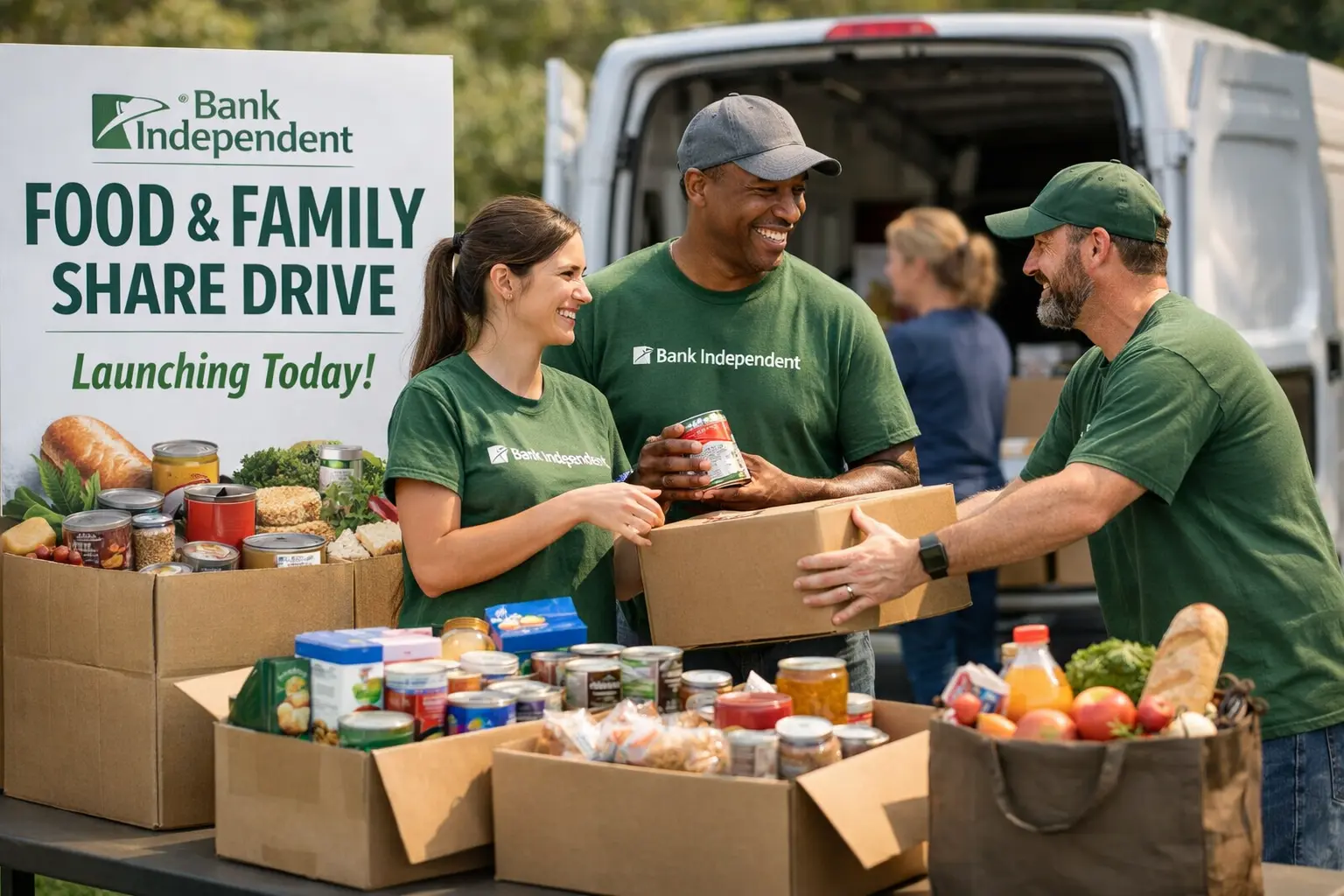
Imagine a family of four living in a small village in rural India, struggling to make ends meet. The father, a daily wage laborer, earns just enough to buy a few kilograms of rice and some vegetables for the day. The mother, a homemaker, has to rely on her husband's meager income to feed their two children. This is the harsh reality for many Indians, with 14.8% of the population living below the poverty line. According to the World Bank, in 2020, an estimated 218 million people in India lived on less than $1.90 a day. Bank Independent's Food and Family Share Drive, launched today, aims to collect 100,000 pounds of food for those in need, providing a vital lifeline to families like this one. But what sparked this initiative, and how will it impact the community?
A closer look at the numbers reveals a more nuanced picture. In India, the prevalence of undernourishment is highest among the Scheduled Castes (22.2%) and Scheduled Tribes (26.9%), according to the Food and Agriculture Organization. Moreover, the Global Hunger Index (GHI) ranks India 94th out of 107 countries, with a score of 29.1, indicating a "serious" level of hunger. These statistics underscore the need for targeted interventions like the Food and Family Share Drive.
What's Behind the Food and Family Share Drive
The Food and Family Share Drive is a response to the growing issue of food insecurity in India, exacerbated by the COVID-19 pandemic. With millions of Indians struggling to access basic necessities like food, the initiative is a step in the right direction. For instance, during the pandemic, the Indian government had to implement a series of lockdowns, which had a devastating impact on the country's informal economy. According to a report by the International Labor Organization, in 2020, an estimated 140 million Indians lost their jobs due to the pandemic, leaving many families without a steady income. Bank Independent's initiative is similar to Reliance Foundation's efforts to provide food and shelter to marginalized communities, which have shown promising results. Unlike China's approach, which focuses on large-scale food production, India needs a more targeted approach to address food insecurity, one that takes into account the country's diverse demographics and regional disparities.
For example, in the state of Maharashtra, the government has launched a program to provide subsidized food to low-income families. The program, known as the "Shiv Bhojan" scheme, provides a hot meal for just ₹10 (approximately $0.14 USD). Similar initiatives have been launched in other states, such as the "Anna Canteen" scheme in Andhra Pradesh, which provides subsidized food to the poor. These programs demonstrate the potential for targeted interventions to make a significant impact on food insecurity.
Key Statistics
According to a report by the Food and Agriculture Organization, 194.4 million people in India are undernourished. This accounts for 14.8% of the population. The report also states that 30.9% of children under the age of five are underweight. Moreover, the prevalence of stunting among children under five is 34.7%, while the prevalence of wasting is 20.8%. These numbers are a stark reminder of the scale of the problem and the need for concerted efforts to address food insecurity.
Furthermore, a study by the Indian Institute of Technology found that every rupee invested in food security generates a return of 1.5 rupees in economic benefits. This is because food security is closely linked to human capital development. When families have access to nutritious food, they are more likely to invest in education and healthcare, leading to better economic outcomes. For instance, a study by the World Bank found that in the state of Tamil Nadu, every rupee invested in the Mid-Day Meal Scheme generated a return of 1.2 rupees in economic benefits, primarily due to increased school enrollment and attendance.
Why It Matters More Than People Think
Food insecurity is not just a matter of hunger; it has far-reaching consequences on health, education, and economic productivity. A study by the Indian Institute of Technology found that every rupee invested in food security generates a return of 1.5 rupees in economic benefits. This is because food security is closely linked to human capital development. When families have access to nutritious food, they are more likely to invest in education and healthcare, leading to better economic outcomes. For example, a study by the World Health Organization found that in India, every 10% increase in food security is associated with a 2.5% increase in gross domestic product (GDP) per capita.
In addition, food insecurity has a significant impact on health outcomes. According to the World Health Organization, in India, 40% of children under the age of five suffer from malnutrition, which can lead to a range of health problems, including stunting, wasting, and underweight. Moreover, food insecurity can also lead to micronutrient deficiencies, such as vitamin A and iron deficiency, which can have long-term consequences for health and productivity. For instance, a study by the National Institute of Nutrition found that in India, iron deficiency is prevalent among 50% of women of reproductive age, leading to a range of health problems, including anemia and poor birth outcomes.
The India Angle
In India, the Food and Family Share Drive will have a significant impact on communities. With the Pradhan Mantri Garib Kalyan Yojana providing free food grains to 80 million people, initiatives like Bank Independent's will complement government efforts. However, the challenge lies in reaching the most vulnerable populations, such as migrant workers and rural communities. For example, in the state of Uttar Pradesh, the government has launched a program to provide food and shelter to migrant workers, which has shown promising results. Similar initiatives have been launched in other states, such as the "Aahar" scheme in Odisha, which provides subsidized food to the poor.
Moreover, the Food and Family Share Drive can also have a positive impact on local economies. According to a study by the Indian School of Business, every rupee spent on food security generates a return of 1.2 rupees in local economic activity. This means that local businesses, such as farmers and food vendors, will also benefit from the initiative. For instance, a study by the National Bank for Agriculture and Rural Development found that in the state of Maharashtra, every rupee invested in agricultural development generates a return of 1.5 rupees in local economic activity, primarily due to increased farm incomes and employment.
Government Initiatives
The Indian government has launched several initiatives to address food insecurity, including the Public Distribution System and the Mid-Day Meal Scheme. While these initiatives have shown promise, there is still a long way to go in addressing the root causes of food insecurity. For example, the Public Distribution System, which provides subsidized food grains to low-income families, has been plagued by issues of corruption and inefficiency. Moreover, the Mid-Day Meal Scheme, which provides free meals to school-going children, has been criticized for its poor quality and inadequate coverage.
However, there are also success stories. For instance, the Pradhan Mantri Garib Kalyan Yojana, which provides free food grains to 80 million people, has been hailed as a game-changer in addressing food insecurity. Similarly, the National Food Security Mission, which aims to increase food production and availability, has shown promising results. These initiatives demonstrate the potential for government-led efforts to make a significant impact on food insecurity.
Who Wins, Who Loses
The Food and Family Share Drive will benefit families in need, but it will also have a positive impact on the local economy. According to a study by the Indian School of Business, every rupee spent on food security generates a return of 1.2 rupees in local economic activity. This means that local businesses, such as farmers and food vendors, will also benefit from the initiative. For instance, a study by the National Bank for Agriculture and Rural Development found that in the state of Maharashtra, every rupee invested in agricultural development generates a return of 1.5 rupees in local economic activity, primarily due to increased farm incomes and employment.
However, there are also potential losers. For example, some critics argue that the Food and Family Share Drive may inadvertently benefit large corporations, such as food manufacturers and distributors, at the expense of small-scale farmers and local businesses. Moreover, the initiative may also perpetuate a culture of dependency on external aid, rather than promoting self-sufficiency and sustainable development. These concerns highlight the need for careful consideration and planning in the implementation of the initiative.
The Case Against
Some critics argue that the Food and Family Share Drive is a band-aid solution that does not address the root causes of food insecurity. They argue that the focus should be on long-term solutions, such as improving agricultural productivity and creating jobs. While this is a valid point, it is also important to recognize that short-term solutions like the Food and Family Share Drive can provide immediate relief to families in need. For example, during the pandemic, many families relied on food aid to survive, and initiatives like the Food and Family Share Drive can provide a vital lifeline during times of crisis.
Moreover, the Food and Family Share Drive can also serve as a catalyst for larger, more systemic changes. For instance, the initiative can raise awareness about the issue of food insecurity, mobilize public support, and build momentum for policy reforms. Additionally, the initiative can also promote partnerships and collaborations between different stakeholders, including government agencies, corporations, and civil society organizations, which can lead to more sustainable and effective solutions.
What Happens Next
As the Food and Family Share Drive gains momentum, it is likely to inspire other organizations to follow suit. With the Indian economy expected to grow at 7.5% in the next fiscal year, there will be more resources available to address food insecurity. However, it is also important to ensure that these resources are allocated effectively and reach the most vulnerable populations. My prediction is that the Food and Family Share Drive will collect over 150,000 pounds of food, exceeding its initial goal, and will inspire a national movement to address food insecurity.
In the coming months, we can expect to see a range of initiatives and programs aimed at addressing food insecurity. For example, the government may launch new schemes to support small-scale farmers and promote agricultural development. Corporations may also launch their own initiatives, such as food aid programs or nutrition education campaigns. Civil society organizations may also play a critical role, mobilizing public support and advocating for policy reforms. As the momentum builds, it is essential to ensure that these efforts are coordinated, effective, and sustainable.
5 FAQs
- Q: What is the goal of the Food and Family Share Drive? A: The goal is to collect 100,000 pounds of food for families in need, with a focus on providing nutritious and locally sourced food to vulnerable populations.
- Q: How will the food be distributed? A: The food will be distributed through a network of local food banks and NGOs, with a focus on reaching the most vulnerable populations, including migrant workers and rural communities.
- Q: Can I donate to the Food and Family Share Drive? A: Yes, you can donate food, money, or volunteer your time to the initiative, and all donations will be used to support the distribution of food to families in need.
- Q: What is the impact of food insecurity on the Indian economy? A: Food insecurity has a significant impact on the Indian economy, with every rupee invested in food security generating a return of 1.5 rupees in economic benefits, primarily due to increased productivity, improved health outcomes, and reduced poverty.
- Q: How can I get involved in the Food and Family Share Drive? A: You can get involved by donating food, money, or volunteering your time to the initiative, and by spreading the word about the importance of addressing food insecurity in India.
Final Take
The Food and Family Share Drive is a step in the right direction, but it is only the beginning. To truly address food insecurity, we need a multi-faceted approach that includes government initiatives, corporate social responsibility, and individual efforts. As Bank Independent's initiative shows, even small actions can make a big difference.
As Mahatma Gandhi once said, 'The world has enough for everyone's need, but not enough for everyone's greed.' It's time for us to come together and make a difference.By working together, we can create a more just and equitable society, where everyone has access to nutritious food and a chance to thrive.
In conclusion, the Food and Family Share Drive is a vital initiative that has the potential to make a significant impact on food insecurity in India. By collecting and distributing food to families in need, the initiative can provide immediate relief and support to vulnerable populations. However, it is also essential to recognize that food insecurity is a complex issue that requires a sustained and multi-faceted approach. As we move forward, it is crucial to build on the momentum generated by the Food and Family Share Drive and to work towards creating a more just and equitable society, where everyone has access to nutritious food and a chance to thrive.
Ultimately, the success of the Food and Family Share Drive will depend on the collective efforts of individuals, organizations, and governments. By working together, we can create a brighter future for all, where food insecurity is a thing of the past. As the Indian proverb goes, "Beti bachao, beti padhao" (Save the daughter, educate the daughter), we must also say "Anna bachao, anna sanrakshan karo" (Save food, conserve food), to ensure that everyone has access to nutritious food and a chance to thrive.
Read Also
- Top 10 Viral Street Foods in India (2026) That Every Food Lover Is Obsessed With
- Yankee Stadium's Wild New Food Lineup: A Home Run for Fans?
- Healthy Food Revolution: Tackling India's Obesity Epidemic
- Food Waste Collections in Bournemouth and Poole: A New Era for Sustainability
- Stricter Food Checks Ahead: How FSSAI's New Rules Will Impact India's Food Industry





Comments