

On this page 7 sections
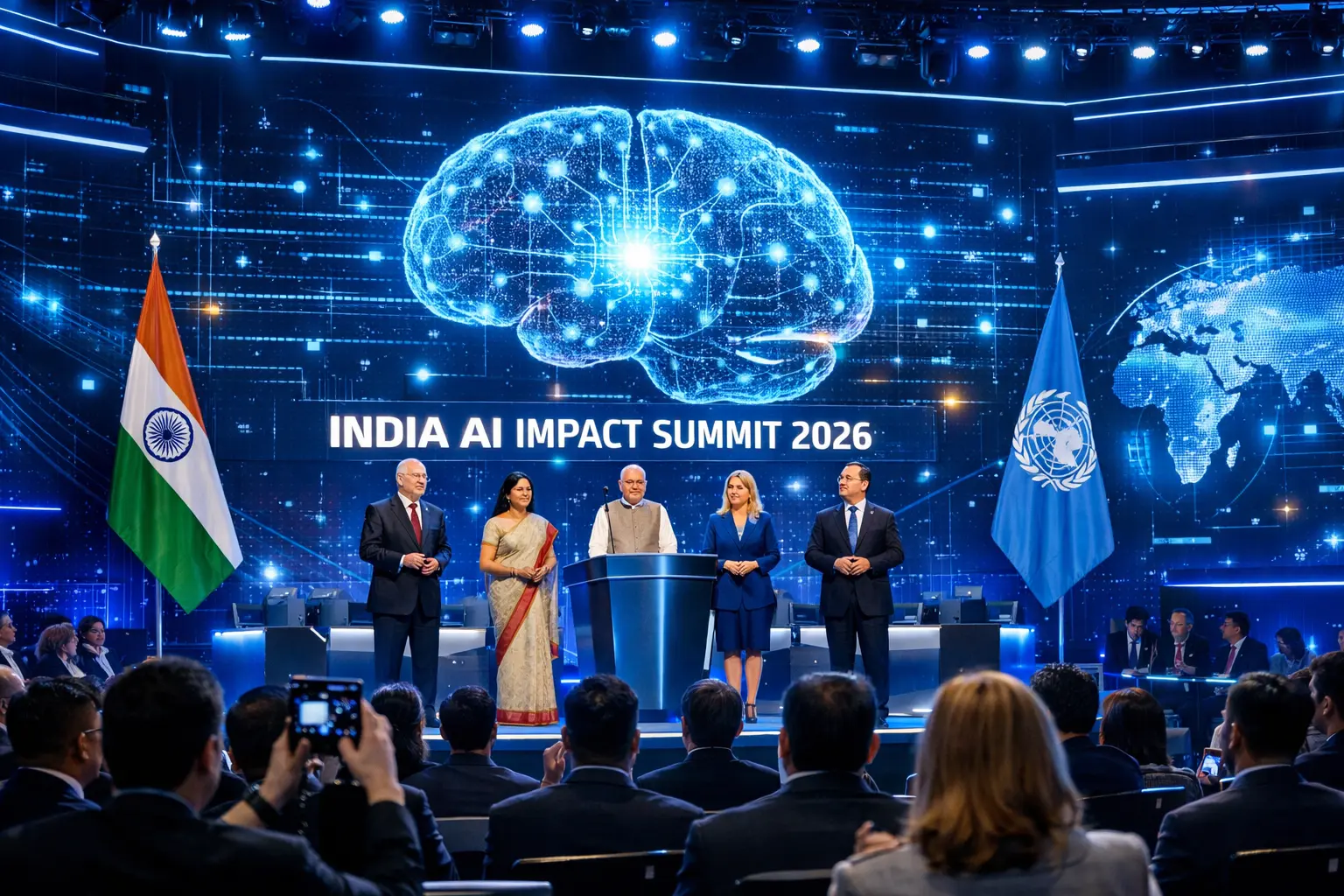
The recent launch of the UNESCO–MeitY India AI Readiness Assessment Report at the India AI Impact Summit 2026 has sent waves of excitement throughout the tech industry. This comprehensive report assesses India's readiness to adopt and leverage Artificial Intelligence (AI) tools, machine learning, and other emerging technologies to drive digital transformation.
Introduction to AI Readiness
As we navigate the complexities of the digital age, it's becoming increasingly important for countries to assess their AI readiness. This involves evaluating their ability to develop, deploy, and regulate AI tools, as well as their capacity to mitigate potential risks and challenges associated with AI adoption.
Why AI Readiness Matters
AI readiness is crucial for driving innovation, improving efficiency, and enhancing competitiveness in various sectors, including software development, cybersecurity, and cloud computing. By leveraging AI tools and machine learning, organizations can automate processes, gain valuable insights, and make data-driven decisions.
Key Findings of the Report
The UNESCO–MeitY India AI Readiness Assessment Report provides a detailed analysis of India's AI ecosystem, highlighting both strengths and weaknesses. Some of the key findings include:
- India has made significant progress in developing its AI infrastructure, with many tech trends emerging in recent years.
- The country has a large pool of skilled talent, with many experts in data science and machine learning.
- However, there are still significant challenges to be addressed, including the need for more cybersecurity measures and better data governance.
Recommendations for Improvement
Based on the report's findings, the authors provide several recommendations for improving India's AI readiness. These include:
- Investing in AI education and training programs to develop a more skilled workforce.
- Encouraging collaboration between industry and academia to drive innovation and knowledge-sharing.
- Developing more effective regulations and policies to govern AI adoption and mitigate risks.
The Role of Blockchain in AI
Blockchain technology is emerging as a key player in the AI ecosystem, providing a secure and transparent way to manage data and ensure cybersecurity. By leveraging blockchain, organizations can build trust and confidence in their AI systems, while also ensuring compliance with regulatory requirements.
Real-World Applications of Blockchain in AI
There are many real-world examples of blockchain being used in AI, including:
- Supply chain management: Blockchain can be used to track and verify the origin and movement of goods, reducing the risk of counterfeiting and improving cybersecurity.
- Identity verification: Blockchain can be used to create secure and decentralized identity verification systems, reducing the risk of identity theft and improving data governance.
AI Tools for Smartphone Users
AI is not just limited to enterprise applications; it's also being used to develop innovative smartphone apps and services. From virtual assistants to machine learning-based camera apps, AI is transforming the way we interact with our smartphones.
Examples of AI-Powered Smartphone Apps
Some examples of AI-powered smartphone apps include:
- Virtual assistants: Apps like Siri and Google Assistant use AI to understand voice commands and provide personalized responses.
- Camera apps: Apps like Google Camera and Apple Camera use machine learning to improve image quality and provide features like automatic scene detection.
Digital Transformation and AI
Digital transformation is the process of using technology to transform business models, products, and services. AI is a key driver of digital transformation, enabling organizations to automate processes, gain insights, and make data-driven decisions.
Real-World Examples of Digital Transformation
There are many real-world examples of digital transformation, including:
- Online shopping: Companies like Amazon and Flipkart have used AI to transform the online shopping experience, providing personalized recommendations and streamlined logistics.
- Healthcare: AI is being used to develop personalized medicine, improve disease diagnosis, and streamline clinical workflows.
FAQs
Here are some frequently asked questions about the UNESCO–MeitY India AI Readiness Assessment Report:
- Q: What is the purpose of the UNESCO–MeitY India AI Readiness Assessment Report?
A: The report aims to assess India's readiness to adopt and leverage AI tools, machine learning, and other emerging technologies to drive digital transformation.
- Q: What are some of the key findings of the report?
A: The report highlights India's strengths and weaknesses in AI adoption, including its large pool of skilled talent and the need for more cybersecurity measures.
- Q: How can organizations improve their AI readiness?
A: Organizations can improve their AI readiness by investing in AI education and training programs, encouraging collaboration between industry and academia, and developing effective regulations and policies.
- Q: What is the role of blockchain in AI?
A: Blockchain provides a secure and transparent way to manage data and ensure cybersecurity, building trust and confidence in AI systems.
- Q: What are some examples of AI-powered smartphone apps?
A: Examples of AI-powered smartphone apps include virtual assistants, machine learning-based camera apps, and personalized recommendation systems.
Conclusion
In conclusion, the UNESCO–MeitY India AI Readiness Assessment Report provides a comprehensive analysis of India's AI ecosystem, highlighting both strengths and weaknesses. By leveraging AI tools, machine learning, and other emerging technologies, organizations can drive innovation, improve efficiency, and enhance competitiveness. As we move forward in the digital age, it's essential to prioritize AI readiness, cybersecurity, and digital transformation to stay ahead of the curve.
The future of AI is exciting and full of possibilities. By working together, we can harness the power of AI to drive growth, improve lives, and create a better future for all.






Comments 0
No comments yet. Start the conversation.