

Introduction to Women's Representation in Indian Politics
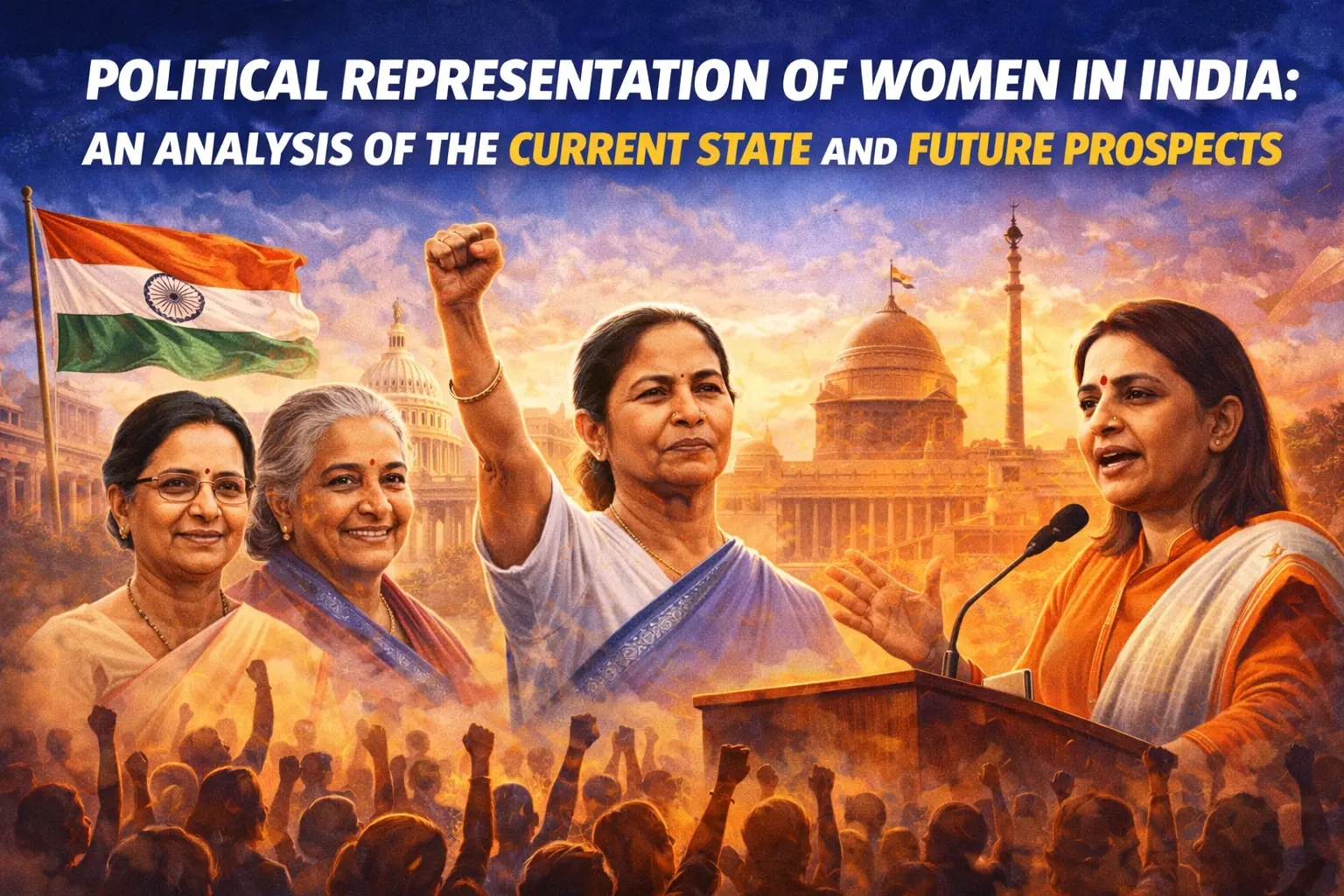
Indian politics has witnessed a significant rise in women's participation in recent years, with more women contesting and winning elections. However, despite this progress, women still remain underrepresented in the government. The upcoming elections 2026 present an opportunity to assess the current state of women's representation in Indian politics and explore ways to increase their participation.
Historical Background of Women's Representation
Early Years of Indian Independence
After India gained independence in 1947, the country's founding fathers recognized the importance of women's participation in the government. The Constitution of India guaranteed equal rights to women, including the right to vote and contest elections. However, despite these guarantees, women's representation in Indian politics remained limited.
Key Milestones in Women's Representation
Over the years, there have been several key milestones in the history of women's representation in Indian politics. The 73rd and 74th Constitutional Amendments reserved one-third of seats in local governments for women, leading to a significant increase in women's participation in grassroots politics. The Women's Reservation Bill, which aims to reserve one-third of seats in the parliament and state legislatures for women, is currently pending in the parliament.
Current State of Women's Representation
Statistics on Women's Representation
According to the Inter-Parliamentary Union, India ranks 148th in the world in terms of women's representation in the national parliament. In the current parliament, there are only 78 women members out of a total of 543 members. This represents a mere 14.4% of the total membership. The situation is similar in state legislatures, where women constitute only 9% of the total membership.
Challenges Faced by Women in Politics
Women in Indian politics face several challenges, including societal attitudes, lack of funding, and limited access to resources. Many women are discouraged from entering politics due to the prevalent patriarchal mindset in Indian society. Those who do enter politics often face significant obstacles, including limited access to funding and resources.
Government Policy and Legislation
Initiatives to Increase Women's Representation
The Indian government has launched several initiatives to increase women's representation in politics. The National Mission for Empowerment of Women aims to empower women by providing them with training and capacity-building programs. The Ministry of Women and Child Development has also launched several schemes to promote women's participation in politics.
Proposed Legislation
The Women's Reservation Bill is a proposed legislation that aims to reserve one-third of seats in the parliament and state legislatures for women. The bill has been pending in the parliament for several years and is expected to be passed in the near future.
International Relations and Economy Policy
Impact of Globalization on Women's Representation
Globalization has had a significant impact on women's representation in Indian politics. The increased participation of women in the workforce has led to a greater awareness of women's rights and a increased demand for women's representation in politics. The international community has also played a significant role in promoting women's representation in Indian politics, with several countries providing funding and technical assistance to support women's empowerment programs.
Impact of Economic Policies on Women's Representation
The Indian government's economy policy has a significant impact on women's representation in politics. The budget allocation for women's empowerment programs has increased significantly in recent years, with a focus on promoting women's participation in politics. The Make in India initiative has also created new opportunities for women to participate in the workforce and engage in entrepreneurial activities.
Political Analysis and News
Current Trends in Women's Representation
The current trend in women's representation in Indian politics is positive, with more women contesting and winning elections. The 2019 general elections saw a significant increase in women's participation, with several women candidates winning seats in the parliament. The political news today is filled with stories of women's empowerment and their growing participation in politics.
Future Prospects for Women's Representation
The future prospects for women's representation in Indian politics are bright, with several initiatives and programs aimed at promoting women's participation in politics. The elections 2026 are expected to see a significant increase in women's participation, with several women candidates contesting seats in the parliament and state legislatures.
Frequently Asked Questions
FAQs on Women's Representation
Here are some frequently asked questions on women's representation in Indian politics:
- Q: What is the current state of women's representation in Indian politics?
A: The current state of women's representation in Indian politics is limited, with only 14.4% of the total membership in the parliament being women.
- Q: What are the challenges faced by women in politics?
A: Women in Indian politics face several challenges, including societal attitudes, lack of funding, and limited access to resources.
- Q: What initiatives have been launched to increase women's representation?
A: The Indian government has launched several initiatives to increase women's representation, including the National Mission for Empowerment of Women and the Ministry of Women and Child Development schemes.
- Q: What is the proposed legislation to increase women's representation?
A: The proposed legislation to increase women's representation is the Women's Reservation Bill, which aims to reserve one-third of seats in the parliament and state legislatures for women.
- Q: What is the impact of globalization on women's representation?
A: Globalization has had a significant impact on women's representation in Indian politics, with the increased participation of women in the workforce leading to a greater awareness of women's rights and a increased demand for women's representation in politics.
Conclusion
In conclusion, the political representation of women in India is a critical issue that needs to be addressed. While there have been significant progress in recent years, women still remain underrepresented in the government. The elections 2026 present an opportunity to assess the current state of women's representation in Indian politics and explore ways to increase their participation. The Indian government's initiatives and proposed legislation, such as the Women's Reservation Bill, are expected to play a significant role in promoting women's representation in politics. As the international community continues to promote women's empowerment, the future prospects for women's representation in Indian politics are bright.
Women's representation in politics is not just a matter of numbers, but also of the quality of representation. It is essential to ensure that women's voices are heard and their concerns are addressed in the parliament and state legislatures.
As we move forward, it is essential to continue promoting women's empowerment and increasing their participation in politics. The government policy and legislation must be designed to support women's representation, and the international community must continue to provide funding and technical assistance to support women's empowerment programs. With the elections 2026 on the horizon, it is essential to make women's representation a priority and work towards creating a more inclusive and equitable political system.
By promoting women's representation in politics, we can create a more democratic and inclusive society, where women's voices are heard and their concerns are addressed. The political analysis and news today suggest that the trend is positive, and we must continue to build on this momentum to create a brighter future for women in Indian politics.
Read Also
- Alone in a Trumpian world: The EU and global public opinion after the US elections
- Decoding 2025: The Global Issues That Will Shape India's Future
- Is the Trump Presidency a Turning Point in World Politics?
- Budget 2026: How Fiscal Allocations Are Reshaping Centre–State Relations
- History's Biggest Census: Why India's New Population Count is Controversial
- Waqf Bill: India's Parliament Passes Muslim Land Bill After Fierce Debates




Comments